
From Fixer to Founder: How I Learned to Make Operations Predictable
I thought speed was the answer, or at least that’s what I kept telling myself: Ship faster, hire faster, and by all means, celebrate if the team makes it through another night without sleep. It was all moving in the right direction, or so it seemed, until the wins stopped sticking, until the tiny, imperceptible problems began to turn into expensive Friday night crises. It was during this time that I learned the single most valuable thing I know: predictability creates leverage, and speed is just a bonus.
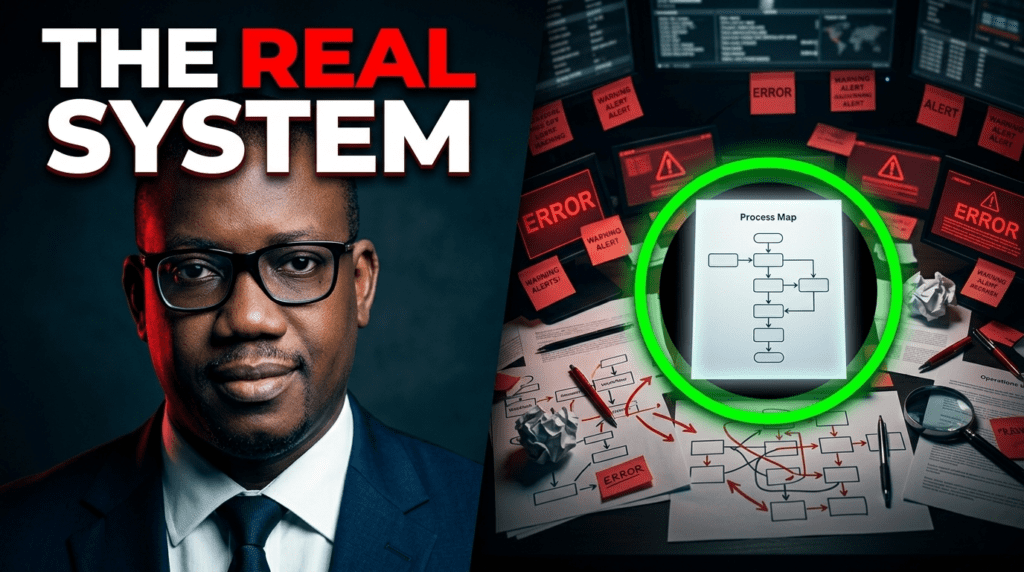
My turning point was embarrassingly simple. In an early operations role, leadership was chasing a falling conversion rate, pointing fingers at marketing or the CRM. I called off the meetings, grabbed a whiteboard, and went on a ten-day visibility sprint with the team. We mapped the entire process, went on ride-alongs with the team, and identified the five most common failure points. What the data didn’t show were the redundant efforts, handoffs, and the many manual steps that nobody had bothered documenting. The solution was not a new tool or a hiring spree; it was making the work visible and fixing the handoffs that were causing most of the noise. Weeks later, we eliminated the recurring escalation, restoring trust across teams.
This sprint taught me three tactical beliefs that guide everything I build these days:
- Make the work visible.
- Choose one metric that proves value.
- Enforce small governance structures that teams actually follow.
These three ideas are small because they are intended to be small. Small artifacts, such as a one-line rollback, a three-item handoff, or a 20-minute pre-release readout, are scalable because humans require simplicity in rituals as pressure increases.
One of the best instances of my success was with regards to the releases. We were scaling fast and releasing features every few days, but releases can be messy: rollbacks, upset customers, and burned-out engineers. So I created a release boundary: every change must have three mandatory items: acceptance criteria, one-line rollback plan, and communications owner assigned by name. Additionally, there was a pre-release readout with facts only, limited to twenty minutes before the release. The outcomes are immediate and quantifiable: releases are now three times more predictable; the mean time to resolve incidents was reduced by approximately forty-five percent; and rollbacks, which can destroy trust faster than anything else, are down by approximately seventy percent over a period of ninety days. While the percentages are significant, the cultural change was the real win: teams no longer argued over who owns the problem but instead own the outcome.
I’ve codified this pattern into a repeatable 30-lesson playbook that I use with my clients and teams. It’s designed to be concise:
- Run a visibility sprint and create one flow.
- Select one signal, a north star metric for that flow, and time-box a 60-day experiment.
- Implement one tiny governance artifact, such as a checklist or boundary, and pilot it.
- Standardize one win into a one-pager SOP and train backups for each critical role.
- Measure, retro, and then scale to the next flow.
Repeatability is more important than novelty. In one organization, using this pattern with templates and expectations meant that the second pilot improved faster than the first. The playbook is a multiplier because it eliminates debate on how to operate by using a repeatable pattern: teams operate in a sequence, measure, and then either scale or iterate.
My leadership approach has been shaped by an experience of personal failure that I do not forget. I used to believe that senior stakeholders “knew” the truth of the situation. I delegated observation and trusted their summaries. That was a failure that cost us customers and credibility. The experience was harsh and clear: leadership’s first job is to minimize surprises for the company and the customer. I rebuilt trust by making ride-alongs and visibility non-negotiables. Time spent watching work happen is worth months of strategy meetings; it creates understanding that no presentation will ever achieve.
I divide my time today between mentoring leaders, operating businesses for fast-growing companies, and teaching the 30-lesson loop to teams eager for lasting change. I’m obsessed with the handoff – the fleeting instant when one team’s work becomes another’s. Improve the handoff and you change the system.
If you want faster growth that lasts, start with predictability. Bring a whiteboard, pick a signal, and enforce one tiny artifact that makes ownership explicit. The work isn’t glamorous. But done right, it’s the foundation for everything else you want to build.
– Babajide Agbaje